Table Of Content
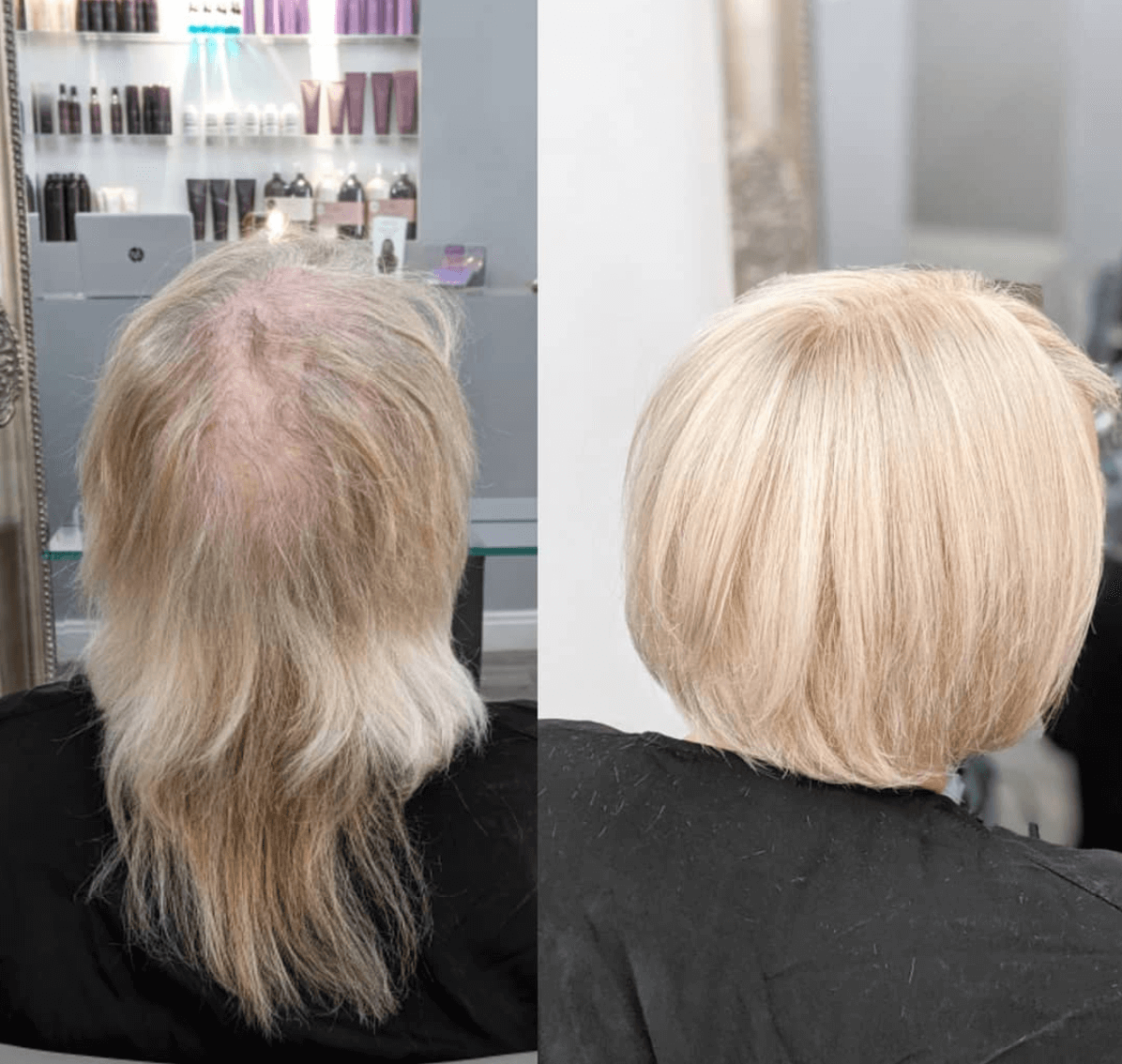
If you have hair loss, you’re growing fewer strands of hair than you’re losing. But there are several treatment options available for hair loss. A healthcare provider will work with you to diagnose what’s causing your hair loss and offer treatment options to help you meet your hair growth goals. There are many causes for thinning hair, including genetics, medical conditions, medications, hormonal changes, and nutritional deficiencies.
Hair Loss: FDA Approves New Treatment for Alopecia - Healthline
Hair Loss: FDA Approves New Treatment for Alopecia.
Posted: Wed, 28 Jun 2023 07:00:00 GMT [source]
Treatments for genetic hair loss
According to the Cleveland Clinic, more than 50% of women experience hair loss. (Many Byrdie editors can relate.) But before you despair, there is good news—finding the right topical treatment for hair loss can be a total game-changer. Some treatments and home remedies can help improve the hair’s strength and overall health. It is often acute, which means it occurs suddenly and for a limited time, but it can also be chronic, or long-term.
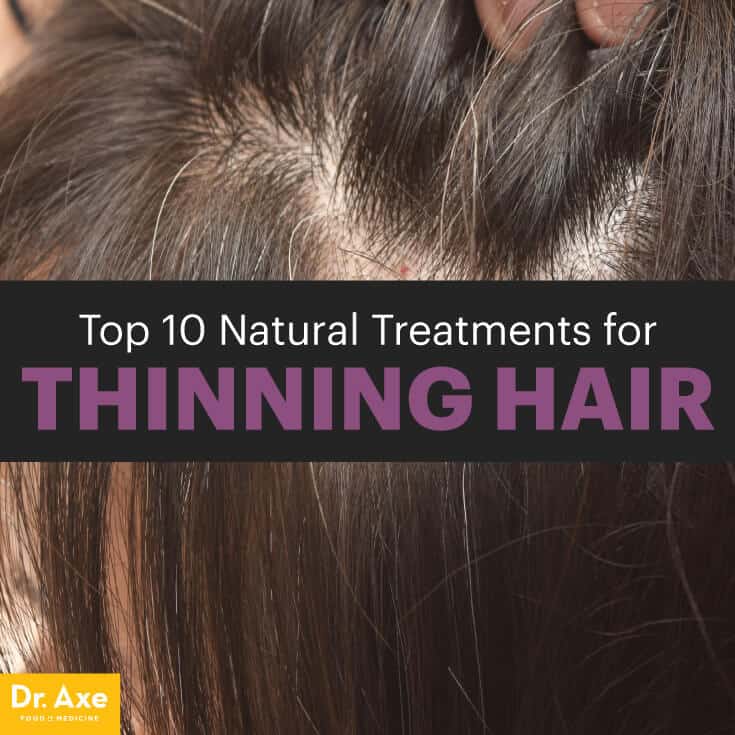
Top 10 Natural Treatments for Thinning Hair
Having a deficiency in these vitamins may affect your hair growth. Most people can get the amounts of these vitamins they need by following a balanced diet, but in some cases, a doctor may recommend dietary supplements. If you have healthy hair on the back or side of your head, a doctor can surgically remove hair strands from those areas and graft them into your scalp in a bare area. It’s another expensive treatment that isn’t generally covered by insurance, but it tends to be a long-lasting solution.
Find more top doctors on
After they determine the cause, your provider will learn more about your hair goals, like whether you want it to regrow or not. If your provider detects any underlying conditions that cause your hair loss, they’ll offer a treatment plan to help you manage that condition. Usually, treatment for the underlying condition resolves hair loss or hair thinning.
Dr. Barbara Sturm Anti-Hair Fall Scalp Serum
Also, consider avoiding formulations that contain additives that might irritating to the scalp and inadvertently cause dryness or itchiness, such as harsh chemicals, dyes, and fragrances. Instead, seek out those that have been dermatologist-tested, says Dr. Shaver. To use minoxidil, you apply it to the scalp as directed, usually once or twice a day.
If you notice your hair thinning, don’t hesitate to see a specialist and advocate for yourself during your appointment. “One of the most frustrating things is how many women get dismissed,” says Green. Don’t be afraid to speak up — a good doctor will make time to chat and assess your unique situation. In general, “it is best to use a gentle shampoo free from harsh ingredients to ensure you are not contributing to the problem further,” says Taylor Rose, a hair health expert and trichologist. She recommends this gentle option from Grown Alchemist, which helps smooth the hair follicle and protects it from heat damage, according to the brand. This medication stops your body from making the hormone at the root of male pattern baldness, DHT (dihydrotestosterone).
How do trees and green spaces enhance our health?
Research indicates that this method may serve as a safe and efficient treatment for hair loss. PRP includes extracting a small portion of your blood, processing it in a machine to separate its the plasma, and injecting the plasma portion into the affected scalp area. People who are planning to become pregnant or are at an age where they may become pregnant should avoid this medication due to possible serious side effects during pregnancy. However, for postmenopausal females, studies have shown that it may be an effective treatment and is frequently prescribed by some doctors. If you often wear a hairstyle like braids or a tight bun that puts prolonged strain or stress on the hair follicle, that can cause a type of permanent hair loss called traction alopecia.
Free Healthbeat Signup
Surgical procedures to treat baldness are not usually covered by insurance. A typical hair transplant involves removing patches of hair from your head and reinserting the hair follicle by follicle into the bald sections. Minoxidil may irritate your scalp and cause dryness, scaling, itching and/or redness. Hair grows on almost all of your skin surfaces — not the palms of your hands, soles of your feet, lips or eyelids.
Just remember to keep your ends blunt, as layers often come with feathered or razored ends which can end up thinning the appearance of hair. You can never go wrong when you stick with the classics, and the lob haircut is no exception. Whether you have naturally straight or wavy strands, all thin-haired women can rock a classic lob (a fancy term for a medium hairstyle that falls just around the shoulders).
Some studies suggest that rosemary oil could improve scalp health by increasing blood flow. Products like shampoos and serums can be used in conjunction with oral medication and various dermatology treatments, like platelet-rich plasma injections (PRP) or prescription-only laser caps. Most importantly, topical treatments need to remain on your head to work. If you’re washing it in and washing it out, as you would with shampoo, how much benefit you get “is arguable,” says Green.
Doctors often prescribe oral medications to be used along with topical minoxidil because studies show the combination boosts hair production. Low-dose oral minoxidil (prescribed off-label) has been found to be effective and safe for most patients, Mirmirani says. Other oft-used drugs include finasteride (Propecia) and spironolactone. If you have scarring alopecia or alopecia areata, your doctor may recommend an anti-inflammatory medication such as the JAK inhibitor Olumiant (baricitinib) to help tamp down your immune system.
Thinning hair can be caused by a variety of factors, including stress or hormonal issues. There are a number of things you can do to treat thinning hair, such as changing your hairstyle, using gentle hair products, and eating more protein and omega-3s. While your hair may regrow on its own, your dermatologist may recommend treatment to help it grow more quickly. Cara Milhaven has spent years testing health, home, and beauty products, including shampoos for multiple hair care concerns. She’s passionate about finding the best products for readers to improve their lives, from the right shampoo to the perfect kitchen towel.




No comments:
Post a Comment